

Pros and Cons of Engineered Wood Flooring
May 16, 2026
Leave a message
When choosing flooring for residential, commercial, or hospitality projects, Engineered Wood Flooring has become one of the most discussed options in the global market. Designers appreciate its natural wood appearance, contractors value its installation flexibility, and buyers often see it as a balance between aesthetics and practicality.
What Is Engineered Wood Flooring?
Before discussing the pros and cons, it's important to understand what engineered flooring actually is.
Unlike solid hardwood, engineered flooring features:
- A real hardwood veneer on the top layer
- Multiple cross-layer plywood or hardwood core layers
- A stabilizing backing layer
This multi-layer construction helps reduce expansion and contraction caused by temperature and humidity changes, making it a practical choice in many climates. Industry sources consistently note that engineered structures offer better dimensional stability than solid hardwood in fluctuating environments.
Why More Global Buyers Choose Awood Design Flooring
For professional buyers looking for reliable engineered flooring supply, Awood Design Flooring offers comprehensive manufacturing solutions.
Awood Design Flooring specializes in:
- Engineered wood flooring production
- OEM & ODM customization
- Wide plank solutions
- Herringbone and chevron collections
- Commercial project flooring systems
- International export support
With a strong focus on material selection, moisture control, and precision finishing,Awood Design Flooring supports distributors, builders, architects, and project developers worldwide.


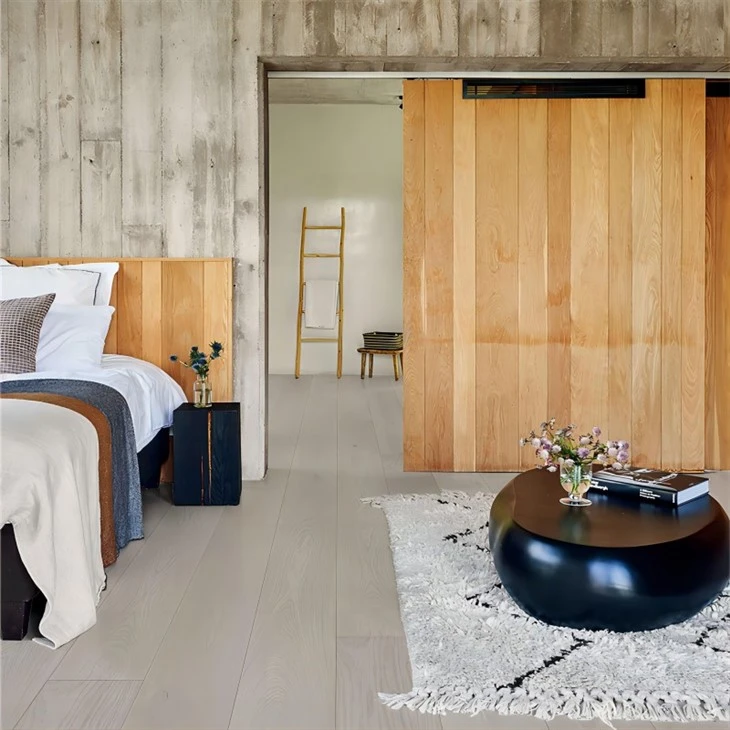

The Pros of Engineered Wood Flooring
1. Better Stability in Changing Climates
One of the biggest advantages of engineered flooring is dimensional stability.
Because of its cross-layer construction, it performs better in environments with:
- Seasonal humidity changes
- Underfloor heating systems
- Coastal climates
- High-rise apartments with concrete subfloors
Compared with solid hardwood, engineered flooring is less likely to warp, cup, or gap under changing moisture conditions. This makes it highly suitable for export markets such as Europe, North America, Japan, and Southeast Asia.
2. Real Wood Appearance
Unlike laminate or vinyl alternatives, engineered flooring uses genuine hardwood veneer.
This means buyers still get:
- Authentic wood grain
- Natural texture
- Unique color variations
- Premium visual appeal
Popular species include:
- Oak
- Walnut
- Maple
- Ash
- Hickory
From a design perspective, most consumers cannot visually distinguish premium engineered floors from solid wood after installation.
3. Easier Installation
Another major benefit is installation flexibility.
Engineered flooring supports multiple installation methods:
- Floating installation
- Glue-down installation
- Nail-down installation
This reduces labor complexity, especially for large commercial projects.
Builders often prefer engineered flooring for:
- Apartments
- Hotels
- Offices
- Retail spaces
- Renovation projects
Because it can be installed over concrete subfloors, it saves both time and structural preparation costs.
4. Better Compatibility with Underfloor Heating
Modern construction increasingly uses radiant heating systems.
Engineered flooring typically performs better than solid hardwood because its layered construction allows more stable heat transfer while minimizing movement.
This is especially valuable in:
- Scandinavian markets
- Germany
- UK residential projects
- Luxury apartments
5. More Efficient Use of Hardwood Resources
Sustainability is becoming a major purchasing factor.
Engineered flooring uses less slow-growth hardwood compared with solid planks because only the wear layer requires premium timber.
Benefits include:
- Better material efficiency
- Reduced hardwood consumption
- Lower environmental impact
- More competitive pricing
This aligns well with modern green building requirements.
6. Wider Design Options
Manufacturers can produce engineered floors in:
- Wide planks
- Chevron patterns
- Herringbone designs
- Extra-long boards
- Customized finishes
Wider planks are often more stable in engineered construction compared with solid wood.
This opens opportunities for luxury architectural projects.
The Cons of Engineered Wood Flooring
1. Limited Refinishing Potential
One of the biggest disadvantages is refinishing limitations.
Unlike solid hardwood, engineered flooring can only be sanded a limited number of times.
This depends on veneer thickness:
| Wear Layer | Refinishing Potential |
|---|---|
| 1–2mm | Minimal |
| 2–3mm | 1–2 times |
| 4–6mm | Multiple times |
Thicker wear layers significantly improve product lifespan, but low-cost products often use thinner veneers.
2. Quality Varies Greatly Between Manufacturers
Not all engineered flooring is equal.
Low-grade products may have:
- Weak plywood cores
- Inconsistent moisture content
- Poor adhesive quality
- Thin surface veneer
- Unstable locking systems
Community discussions among installers often point out that cheaper imported products can create long-term durability issues.
That's why supplier selection matters as much as material selection.
3. Surface Can Still Scratch
Although engineered flooring is structurally stable, the surface is still real wood.
This means it can be affected by:
- Pet claws
- Furniture movement
- High heel shoes
- Sand or debris
Regular maintenance is still required.
4. Moisture Resistance Is Improved-But Not Waterproof
A common misconception is that engineered flooring is waterproof.
It is more moisture resistant than solid hardwood, but prolonged water exposure can still cause:
- Swelling
- Delamination
- Surface damage
It should not be treated like vinyl flooring.
5. Lower-End Products May Contain VOC Adhesives
Budget products may use adhesives with higher VOC emissions.
Buyers should verify certifications such as:
- CARB
- FSC
- FloorScore
- CE
- ISO standards
This is particularly important for indoor commercial projects.
Engineered Flooring vs Solid Hardwood
| Feature | Engineered Flooring | Solid Hardwood |
|---|---|---|
| Stability | Excellent | Moderate |
| Moisture Resistance | Better | Lower |
| Refinishing | Limited | Excellent |
| Installation | Flexible | More complex |
| Cost | Moderate | Higher |
| Wide Plank Performance | Better | Moderate |
For most modern building projects, engineered flooring often offers better practicality, while solid hardwood remains preferred for ultra-long lifecycle applications.
How to Evaluate Engineered Wood Flooring Before Purchase
For distributors, contractors, and project developers, choosing the right engineered flooring is not only about appearance-it's about long-term performance, installation efficiency, and customer satisfaction.
Before placing an order, professional buyers usually evaluate the following factors:
1. Veneer Thickness
The top hardwood layer directly affects durability and refinishing capability.
General recommendations:
- 2mm–3mm → Suitable for residential use
- 3mm–4mm → Ideal for commercial projects
- 4mm+ → Premium applications with long lifecycle expectations
A thicker wear layer generally means better long-term value.
2. Core Construction
The core determines structural stability.
High-quality engineered flooring usually uses:
- Birch plywood
- Eucalyptus plywood
- Hardwood multi-ply construction
A stable core improves:
- Load resistance
- Moisture resistance
- Installation consistency
- Service life
Low-cost flooring often uses lower-density materials, which may affect performance over time.
3. Surface Finish Quality
Surface coating affects scratch resistance and maintenance requirements.
Common finish options include:
- UV lacquer
- UV oil
- Natural oil
- Wire-brushed finishes
Premium finishes help protect flooring in high-traffic environments such as hotels, retail spaces, and offices.
4. Moisture Content Control
Professional manufacturers usually maintain moisture content between 6%–9%, depending on export destination requirements.
Proper moisture control helps reduce:
- Cracking
- Expansion
- Joint separation
- Seasonal movement
This is especially important for international shipments.
FAQ
1. How long does engineered wood flooring last?
High-quality engineered flooring can last 20–50 years, depending on wear layer thickness, installation quality, and maintenance.
2. Can engineered flooring be used in kitchens?
Yes, many engineered floors work well in kitchens because of improved moisture resistance, but standing water should always be cleaned quickly.
3. Is engineered flooring suitable for commercial spaces?
Yes. Hotels, offices, retail stores, and apartments commonly use engineered flooring because of its installation efficiency and design flexibility.
4. Does engineered flooring increase property value?
Because it uses real hardwood, engineered flooring often adds more perceived value than laminate or vinyl alternatives.
5. What thickness is best for engineered flooring?
For long-term performance, professional buyers usually prefer products with a 3mm+ wear layer for better durability and refinishing options, which is also commonly recommended by installers in industry discussions.