


Awood—SPC floor manufacturer

What is SPC Flooring?
“SPC” is a special type of vinyl, and it stands for Stone Plastic Composite. That essentially means they take limestone (think chalk, but way tougher), mix it with PVC and stabilizers, and create an insanely dense and strong core for the flooring. That might not sound fancy, but this core is the heart of SPC’s appeal.
Most SPC flooring is built like a sandwich, with several layers working together:
Wear layer: This tough, transparent top layer protects the printed design and resists scratches and scuffs.
Design layer: This is where they achieve those realistic wood or stone looks using high-definition printing.
SPC core: The powerhouse of a layer we talked about, made from a limestone-based mixture. This is what gives SPC its rigidity and stability.
Underlayment (optional): Some brands come with an attached backing layer for added comfort, sound reduction, and to smooth out slight imperfections in your subfloor.
You also might have heard about WPC (Wood Plastic Composite) or traditional LVP. The key difference is the core. WPC has a wood-based core (still tough but softer than SPC), and LVP usually has a purely vinyl core. This makes SPC your go-to when it comes to resisting dents, handling temperature swings, and shrugging off water.
Exceptional Longevity
SPC flooring isn't just empty talk in marketing. It's crafted to endure heavy foot traffic, endure the impact of dropped dishes in the kitchen, or withstand the rambunctious play of kids and pets without significant signs of wear and tear. We're looking at a possible lifespan of 20 - 30 years or even more – that's the level of confidence demonstrated by many manufacturer warranties.
Stability Across Different Environmental Conditions
Another wonderful aspect of SPC flooring is that it won't expand or contract much with changes in temperature or humidity. This means no bothersome gaps between planks and a pleasant, consistent feel underfoot, regardless of the season.
Minimal Maintenance and Easy to Clean
Typically, all you need to do to keep SPC looking great is regular sweeping and an occasional damp mop. The dense, non-porous surface and wear layer assist in preventing most spills, whether it's coffee, muddy footprints, or even red wine, from adhering to the floor. This means that cleaning up usually just involves wiping it away.
Design Flexibility to Suit Your Taste
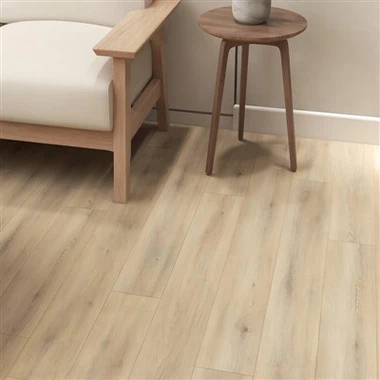
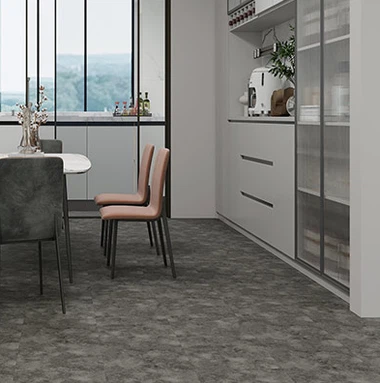
Desire the cozy feel of wood or the elegant look of marble without the hefty price tag or the hassles of maintenance? SPC has got you covered. High-definition printing technology generates highly realistic visuals so you can attain your ideal style without compromising on practicality.





Benefits of SPC Flooring
SPC is Durable
SPC flooring is engineered to withstand the toughest of conditions. Its core layer, composed of stone plastic composite, provides exceptional strength and resistance to impacts, scratches, and heavy foot traffic. This durability ensures that your SPC flooring will maintain its beauty and functionality for years to come, even in high-traffic areas.
Water Resistance
One of the standout features of SPC flooring is its excellent water resistance. Unlike traditional hardwood flooring or laminate flooring, SPC flooring won't warp or swell when exposed to moisture. This makes it an excellent choice for kitchens, bathrooms, and other areas prone to spills or humidity.
Realistic Aesthetics
SPC flooring offers a wide range of design options to suit any interior style. Modern manufacturing techniques allow for highly realistic wood, stone, and tile patterns. You can achieve the look of hardwood, marble, or ceramic without the associated maintenance challenges. Whether you prefer a classic oak finish or a contemporary concrete appearance, SPC flooring has you covered.
SPC is Easy to Installation
SPC flooring is known for its straightforward installation process. Many SPC planks feature click-and-lock systems, eliminating the need for adhesives or nails. This not only makes installation faster and more convenient but also reduces the overall installation cost.
Low Maintenance
Maintaining SPC flooring is easy. Regular sweeping or vacuuming, coupled with occasional mopping using a mild detergent, is usually all that's required to keep it looking pristine. The robust surface layer resists stains and is easy to clean, saving you time and effort in the long run.
Comfort Underfoot
SPC flooring offers a comfortable underfoot experience, thanks to its built-in cushioning layer. This can help reduce foot fatigue and provide additional insulation, keeping your space quieter and more comfortable. SPC Rigid Core click vinyl tile are also compatible with underfloor heating, making them warm and comfortable to walk on with no shoes.
Environmentally Friendly
Many SPC flooring products are eco-friendly. They often contain recycled materials and are free from harmful chemicals like formaldehyde, making them a sustainable choice for environmentally conscious consumers. We do recommend doing a bit more research on each brand of SPC flooring to ebnsure they follow sustainable practices if you are concious about your carbon footprint.
Cost-Effective
When you factor in the durability, low maintenance requirements, and long lifespan of SPC flooring, it becomes a cost-effective choice compared to some other flooring options. It's an investment that pays off over time. SPC Rigid Core vinyl is a lot cheaper than real wood flooring and boasts many advantages that make it a low maintenance alternative.
What Is a Good Thickness for SPC Flooring?
Are you considering SPC flooring for your home or business but unsure about the appropriate thickness? Choosing the right thickness for your SPC flooring is crucial to ensure its durability, stability, and overall performance. SPC flooring, or Stone Plastic Composite flooring, is a type of vinyl flooring that is made up of multiple layers, including a core composed of limestone powder, PVC, and stabilizers. The thickness of SPC flooring typically ranges from 3mm to 8mm, with 4mm being the most common thickness.
So, what is a good thickness for SPC flooring? Generally, a thickness of 4mm to 5mm is considered ideal for residential and commercial use. This thickness provides a balance between durability, stability, and ease of installation. Thicker SPC flooring may be more durable, but it can also be more challenging to install and may require additional preparation of the subfloor.
One factor to consider when choosing the thickness of your SPC flooring is the level of foot traffic in the area where it will be installed. For high-traffic areas, such as hallways or commercial spaces, you may want to opt for a thicker SPC flooring to ensure its durability. Another factor to consider is the overall aesthetics of your space. Thicker SPC flooring may have a more substantial feel and can provide a greater sense of depth and texture to the flooring's appearance.
It's also worth noting that the thickness of SPC flooring can impact its sound insulation properties. Thicker SPC flooring may provide better sound insulation, which can be beneficial in areas where noise reduction is a priority. A good thickness for SPC flooring depends on several factors, including the level of foot traffic, overall aesthetics, and sound insulation needs. Generally, a thickness of 4mm to 5mm is considered ideal for most residential and commercial applications. However, it's always best to consult with a flooring professional to determine the best thickness for your specific needs.
How to Clean SPC Flooring?


SPC flooring is an alternative to hardwood flooring that has the look of wood without the large price tag. SPC flooring is also resilient, easier to maintain and more moisture-resistant than traditional hardwood. Though its durability will help your flooring stand up to the traffic in your home, it's still important to properly care for and clean your SPC flooring to extend their lifetime and keep them looking their best.
Follow these tips to keep your SPC flooring in optimal condition.
Take care of spills and stains immediately
If you accidentally spill anything on your SPC flooring, try to wipe it up as soon as possible. To remove food stains, create a paste of baking soda and water, rub it on the stain until it disappears and clean away any trace of the paste. Use rubbing alcohol to remove stains like lipstick, hair dye or ink, and mineral spirits for crayon, paint or marker. If you drop any nail polish on your SPC flooring, you can use a nail polish remover containing acetone to remove the stain. If you want to use a brush to help remove these stains, choose something with soft, nylon bristles.
Gently scrub away scuffs
If your SPC flooring has any stubborn scuffs that aren't removed by regular mopping, you can use some hardware lubricant or jojoba oil to help remove it. Put a small amount of your lubricant on a soft towel and rub the area until the scuff is removed. To clean away the lubricant, use a vinegar and water solution.
Vacuum and sweep regularly
To maintain clean SPC floorings, and before any wet cleaning, use a broom, dry or dust mop or vacuum to remove surface debris such as dust and hair. When vacuuming, don't use a "beater bar" attachment that can damage the surface of your floors.
Mop your floors using SPC flooring solutions
The best way to clean and maintain SPC floorings is to mop your floors regularly using just water. When you want to disinfect your floors or do a deeper cleaning, you can mix your own gentle solution using some general household products. Mix a solution of apple cider vinegar - or white vinegar if you want to disinfect - and hot water to mop your floors, rinsing the head of the mop frequently with hot water. When dealing with particularly dirty SPC flooring, you can add a few drops of dishwashing soap to the mixture. Make sure not to add too much soap, as it can make your floors sticky. Then mop your floors again with just a water and vinegar mixture to remove the soap. For SPC flooring that look a bit dull, add a few drops of baby oil to your vinegar and water solution.
Using the right tools is essential for achieving clean and precise cuts on SPC flooring. Two popular options for cutting panels are a circular saw and a jigsaw.
Fine-toothed hand saw
Hand saws give control, but sawing too fast can cause an uneven edge, so cut slowly and steadily to get the best result. Practice on some scrap panels or wood to ensure you can use the saw effectively before making a final cut.
Tenon saw
Tenon hand saws provide a very stable cut. Cut slowly to get a clean, neat line for your panels. If you don't have power tools, a tenon saw is an easy-to-use and affordable choice for anyone new to DIY.
Jigsaw
Trimming your SPC flooring with a jigsaw is another option if you don't have a fine-toothed or tenon handsaw. Use a jigsaw blade with fine teeth and practise some cuts to get your speed and pressure right. A jigsaw with a fine toothed blade is the best way to cut out electrical sockets as well.
Mitre saw
A mitre saw can trim several SPC floorings simultaneously with precision and power. If you're using a mitre saw, use a blade that's designed for fine cuts. Standard blades that come with a mitre saw are often too coarse for trimming wood panels and they leave rough edges.
Circular saw
A circular saw is different to a mitre saw because it is portable and handheld, rather than stationary. Because of this, it gives you good control over movement. A circular saw works like a guillotine, making it easy to trim SPC flooring quickly and accurately. For greater precision and speed, use a track with your circular saw. Like for a mitre saw, make sure you use a blade for fine cuts.

SPC Flooring is a durable flooring that will serve you well if installed correctly. One of the stages of proper installation of the coating is the use of a special film. There is always a danger of increased moisture in the SPC Flooring on which you are laying the coating. Due to the fact that many people are in a hurry to complete the repairs quickly, they may disrupt the work technology. For example, do not dry the screed completely. This is why it is necessary to provide a moisture barrier. A special film with a thickness of 0.2 mm will help with this.
A non-dried screed can damage both the substrate and the coating. The waterproofing film protects the base of the floor and, in particular, the SPC flooring from moisture, as well as:
- Partially levels the base. SPC flooring should only be laid on a flat surface, otherwise over time it will begin to creak and the locking joints may be damaged. Film, of course, is not an ideal material specifically for leveling, but it can slightly smooth out small irregularities.
- Complements the soundproofing properties of other materials. Even though the film layer is quite thin, it still helps muffle sounds.
- In general, waterproofing is necessary not only to take care of the SPC flooring itself, but also to ensure that in the event of flooding of the apartment, water does not penetrate to the floors below.
Let's compare them head-to-head:
Installation
SPC flooring is known for its ease of installation, often featuring a click-lock system that makes it a suitable choice for DIY enthusiasts. On the other hand, real wood flooring requires professional installation, which can add to the overall cost.
Cost
SPC flooring is generally more budget-friendly than real wood flooring, making it a cost-effective choice for those on a tight budget.
Aesthetics
While SPC flooring can mimic the look of wood to some extent, it doesn't quite capture the authenticity and warmth of real wood flooring. If aesthetics are a top priority, real wood may be the better choice.
Maintenance
SPC flooring wins in terms of low maintenance, as it's resistant to moisture and easy to clean. Real wood flooring, although timeless, requires more care and maintenance to preserve its beauty.
Durability
For high-traffic areas and homes with pets, SPC flooring's durability and scratch resistance may be the deciding factor. Real wood, while long-lasting, can be more susceptible to wear and tear.

For decades, vinyl flooring has held a firm place in the flooring market due to its cost-effectiveness and diverse design options. However, the rise of Stone Plastic Composite (SPC) flooring has introduced a compelling alternative. SPC flooring distinguishes itself with its unrivalled sturdiness and rigidity, derived from its unique stone-plastic composition. This heightened robustness equates to exceptional resistance to damage and indentations, even when subjected to substantial weight or force. It's a characteristic that sets SPC flooring significantly apart from conventional vinyl options.
An important distinction to note between SPC and traditional vinyl flooring lies in their format availability. While vinyl flooring can be found in both sheet and plank formats, SPC flooring is exclusively available in the form of boards. This results in a more straightforward and seamless installation process, providing a uniform look that's visually pleasing.
From an aesthetic perspective, SPC flooring can mimic a wide variety of materials, such as stone, wood and parquet, due to advanced printing and texturing technologies. You can find SPC in different styles, including plank, tile, and even herringbone, providing a high degree of flexibility when it comes to matching your home decor. Despite these advantages, vinyl may be a more suitable choice for those seeking a softer feel underfoot, or those working with a limited budget, as vinyl tends to be less expensive than SPC. If comfort is important to you and SPC is the direction you're going to take, consider SPC flooring with built in underlay.
The Considerations for Buying SPC Flooring
Before selecting SPC Flooring for your home or commercial space, consider the following factors to make an informed decision:
Durability: Assess the longevity of the flooring.Choosing SPC Flooring with a thick layer to ensure heavy foot traffic,scratches and wear and tear over time.
Low Maintenance: It needs low maintenance, just a regular cleaning with diluted solution with a mop will do and keep it highly durable and water-resistant.
Thickness & Stability: Opt for SPC Flooring which is thicker and durable.Ensure the quality of materials to ensure better performance and longevity.
WaterProof: SPC Flooring are waterproof and is also one of the reason to be a top choice for luxury floors. They can be easily installed and offers a resilient option. It can resists liquids with ease because of its thick PVC layer which sets apart from other flooring options is competes with the segment.
Design and Aesthetics: SPC Flooring offers a variation in styles, colors, textures and patterns that looks exactly like wood or stone.It offers you to choose a design that complements your interior decor.
Our Factory
Welcome to Awood Design Flooring factory, we have more than 20 years of professional experience in the field of flooring manufacturing. We always focus on manufacturing, researching and selling high-quality flooring products. Since we started with hardwood floors, we have a deep heritage and passion for wood, and we know how to bring the beauty of nature into our designs.
We are proud of having our own complete production line, which enables us to control the quality and manufacturing process of our products throughout. From raw material procurement to final product delivery, every link is strictly controlled to ensure the safety and high quality of our flooring. We attach great importance to environmental protection and strive to reduce the impact on the environment during the production process.
Awood Design Flooring takes innovation, quality and environmental protection as its core values, and is committed to providing customers with high-quality and fashionable flooring products. We will continue to work hard and keep making progress to create the ideal home floor for you. Thank you for your trust in us, we look forward to providing you with the best flooring solutions!


Ultimate FAQ Guide to SPC Flooring
Q: What is SPC Flooring
Q: Is SPC flooring the same as laminate?
Q: How long can SPC flooring last?
Q: What is the core composition of SPC flooring?
Q: How resistant is SPC flooring to scratches and dents?
Q: Can SPC flooring be used with underfloor heating?
Q: Does SPC flooring require a specific cleaning routine?
Q: What types of design options are available with SPC flooring?
Q: Is SPC flooring better than vinyl?
Q: Do you need a moisture barrier under SPC flooring?
Q: What is the benefit of SPC flooring?
Q: Is SPC flooring a good option?
Q: What is the life expectancy of SPC flooring?
Q: What thickness of SPC flooring is best?
Q: Does SPC flooring need an expansion gap?
Q: Can dogs scratch SPC flooring?
Q: Is SPC flooring noisy?
Q: Can you put SPC flooring on concrete?
Q: Is SPC flooring really waterproof?
Q: Can you put heavy furniture on SPC flooring?
Awood Design Flooring is well-known as one of the leading spc flooring manufacturers and suppliers in China. Please feel free to buy high quality spc flooring at competitive price from our factory. For custom service, contact us now.