

How is our engineered flooring's top layer made
Nov 03, 2025
Leave a message
How is our engineered flooring's top layer ( lamella ) made?
There are three different ways to cut top layer: sawing , slicing , and rotary cutting (also called peeling cut) So what is the difference of them ?

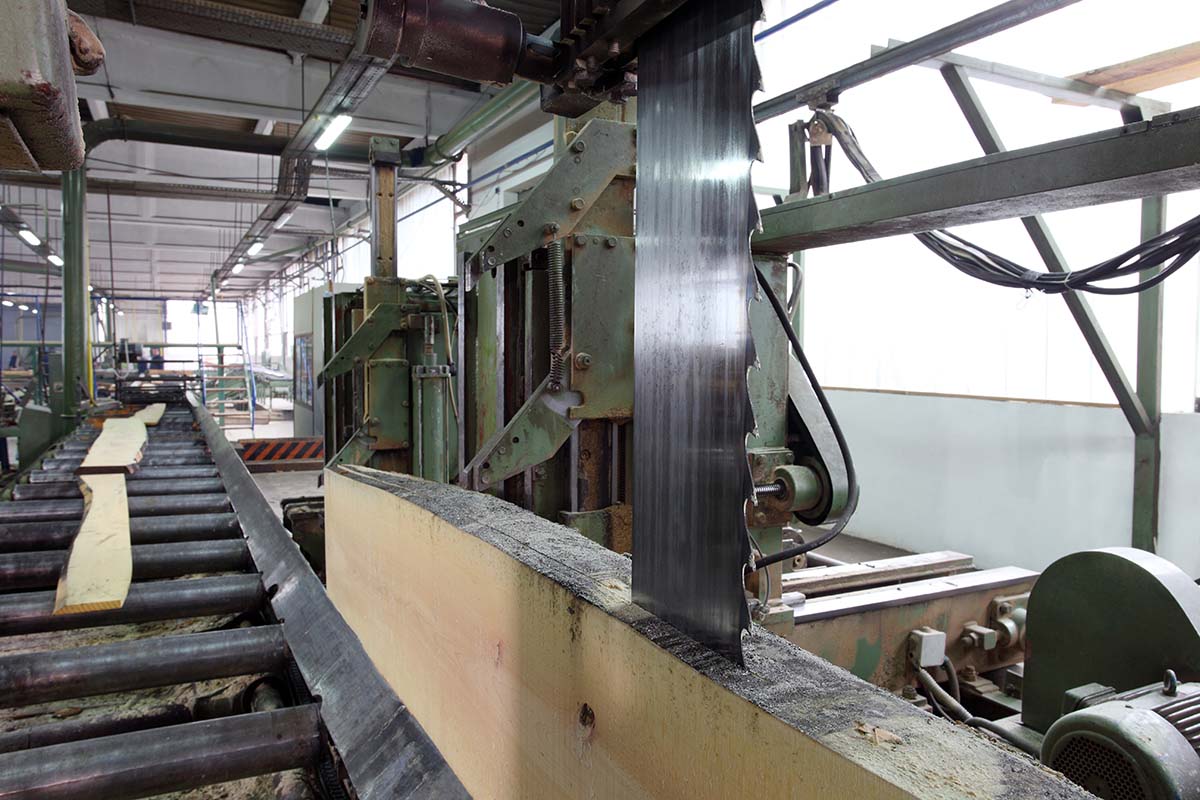
Sawing cut top layer is mostly with 3mm or 4mm or above thickness, it could be made from either logs or lumber. Top layer made from wet loggint is normally considerred to be more stable because fresh logs are normally kept in humid place and it is not easy to have crack issues. While lumbers are not easy to be kiln dried and easy to get cracked, what is more, it gets oxidized after beening exposed to the light, so lumber sawing top layer would be with more color variation, which is not good for coloring and staining of the floors. Awood's engineered flooring only choose log sawing lamella to make its flooring, to make sure its products are stable, with less variation and elegant.
Sliced-cut (or flat cut) veneer is the second most common way to create a wood veneer., and it is nornmally made with 2mm or thinner thickness, Although sawn-cut veneers are more stable and stronger than slice-cut veneers, slice cut veneers are the next best choice and are more affordable, and it has the same grain with saw cut top layer. The main difference between saw cut top layer and sliced top layer is that, sliced cut veneer is darker and with more variation as the log or lumber was steamed or boiled before the cutting process, and this process would weaken the wood fiber to make it with higher risk of crack issues, especially when applied for under heating system.
Rotary Cut veneer is produced by rotating a log while shaving a full-length continuous sheet,this process is the only cutting method that produces whole-piece face veneers.
A Rotary Cut will yield veneer with a broad grain pattern with no plain sliced or quartered appearance. Rotary cut veneers are normally used for plywood boards production, it could also be used for flooring, but of course, its quality can not be comparable with sliced veneer or saw cut top layer.
This process yields the most veneer per log and is usually less expensive than sliced veneer.
Now, let us look into the grading of the top layer, The first thing you must know about hardwood floor grades is that no governing body sets the standards. Instead, the grading system is primarily determined by individual manufacturers and suppliers. As a result, they may use their systems to classify the appearance and characteristics of the wood.
Although there is no set hardwood grading system, Awood Design Flooring would define its wood grading systems into four grades – select, natural, and rustic.
Select Grade: The highest quality and most expensive flooring grade. It has few if any, knots or other natural imperfections. Generally, it has uniform color and a consistent grain pattern.
Nature Grade: This grade features wood with slightly more natural imperfections than clear grade. However, it's still primarily uniform with minimal knots of color variations.
Rustic Grade: We use this third grade for wood with even more knots and imperfections than common grade. Again, that's not necessarily a bad thing. If you're looking for unique, natural hardwood flooring, rustic grade offers lots of character. Before getting into pressing process, top layers will be sorted into different grading by our experienced workers.
Select Grading Overview

Nature Grading Overview

Rustic Grading Overview
