

Engineered Wood Flooring Trends for 2026
May 21, 2026
Leave a message
The global flooring industry is evolving rapidly, and 2026 is expected to bring major changes in design preferences, manufacturing technology, sustainability standards, and buyer expectations. Across residential construction, commercial interiors, hospitality projects, and luxury renovations, engineered flooring continues to gain momentum as one of the most adaptable flooring solutions on the market.
For importers, distributors, architects, and developers, understanding the latest trends is essential for staying competitive. Product selection today is no longer based only on price or appearance. Buyers now focus on long-term performance, environmental impact, customization capabilities, and overall brand value.
Why More Global Buyers Work with Awood Design Flooring
As the flooring industry evolves, manufacturers with strong technical capability and export experience are becoming preferred partners.
Awood Design Flooring specializes in advanced engineered flooring solutions for international markets.
The company provides:
- OEM & ODM flooring manufacturing
- Wide plank collections
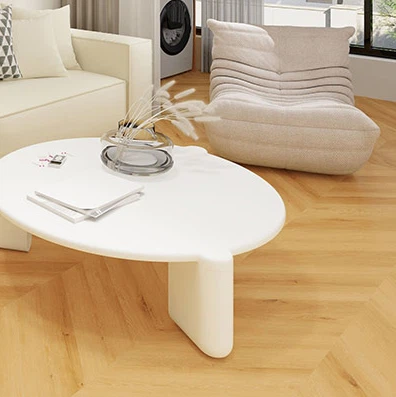
- Herringbone and chevron flooring
- Customized surface finishes
- Export packaging solutions
- Commercial project support
According to the company's official information, Awood Design Flooring serves customers in multiple international markets and focuses on combining modern manufacturing technology with strict quality management.
With growing demand for premium flooring worldwide, manufacturers capable of balancing quality, customization, and production stability will continue gaining market advantage.


Why Engineered Flooring Continues to Grow Worldwide
The flooring market has shifted dramatically over the past decade.
Consumers and commercial buyers increasingly want products that combine:
- Natural aesthetics
- Better structural stability
- Flexible installation
- Sustainable sourcing
- Modern design compatibility
Industry reports show continued growth in the engineered wood flooring market due to its balance between visual appeal and practical performance in residential and commercial construction. (grandviewresearch.com)
This growth is especially visible in:
- North America
- Europe
- Japan
- Australia
Middle Eastern hospitality projects
Natural and Calm Interior Tones
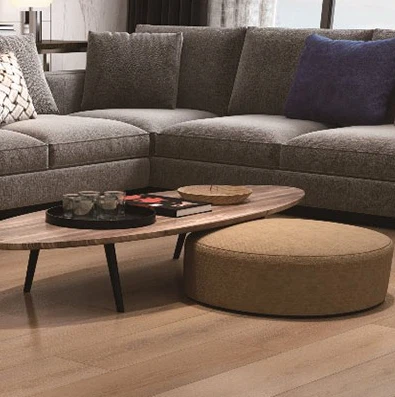
In 2026, flooring color trends are moving toward softer and more organic tones.
Popular finishes include:
- Natural oak
- Light walnut
- Beige-brown wood tones
- Scandinavian-inspired surfaces
- Neutral matte finishes
Designers increasingly prefer flooring that creates a calm and timeless atmosphere rather than overly dark or glossy surfaces.
These natural colors pair well with:
- Minimalist interiors
- Japandi design
- Modern luxury spaces
- Sustainable architecture
Ultra-Wide and Long Plank Formats
Large-format flooring continues to dominate premium projects.
In 2026, demand is growing for:
- Wide planks above 220mm
- Long boards over 2200mm
- Seamless visual layouts
- Open-space flooring aesthetics
These dimensions create a more spacious and luxurious appearance.
Large-format boards are especially popular in:
- Villas
- High-end apartments
- Boutique hotels
- Luxury retail spaces
Manufacturers with advanced production control are better positioned to meet this trend because wider boards require improved structural consistency.
Matte and Low-Gloss Surfaces
Highly reflective flooring finishes are gradually losing popularity.
Modern buyers now prefer:
- Ultra-matte coatings
- Natural oil finishes
- Low-sheen textures
- Soft-touch surfaces
This trend reflects broader interior design preferences focused on authenticity and comfort.
Matte finishes also help reduce the visibility of:
- Dust
- Minor scratches
- Footprints
- Surface reflections
This makes them attractive for commercial environments.
Sustainable Manufacturing Becomes a Major Purchasing Factor
Environmental responsibility is becoming a key requirement in flooring procurement.
In 2026, buyers increasingly evaluate:
- FSC-certified materials
- Low-emission adhesives
- Carbon footprint reduction
- Responsible forestry practices
- Recyclable packaging
Many international construction projects now require sustainability documentation as part of supplier qualification.
This is particularly important for:
- LEED-certified buildings
- Government projects
- European import standards
- Green commercial developments
Customization Is Becoming Standard
Buyers no longer want generic flooring collections.
Instead, distributors and developers increasingly request:
- Customized colors
- Exclusive surface textures
- Private label packaging
- Project-specific dimensions
- Unique edge treatments
OEM and ODM manufacturing capabilities are becoming critical competitive advantages.
Manufacturers able to support flexible customization are more likely to secure long-term international partnerships.
Advanced Surface Technology
Surface treatment technology continues to improve in 2026.
Modern flooring production now includes:
- Deep wire-brushing
- Reactive staining
- Smoked wood effects
- Synchronized textures
- UV-cured protective coatings
These technologies help create more premium visual depth while improving durability.
Some manufacturers are also developing enhanced scratch-resistant coatings for commercial traffic applications.
Smart Manufacturing and Automation
Automation is reshaping flooring production worldwide.
Leading factories are investing in:
- Automated cutting systems
- Precision moisture monitoring
- Digital grading systems
- Intelligent quality inspection
- CNC surface processing
These technologies help manufacturers achieve:
- Better dimensional consistency
- Faster production cycles
- Reduced waste
- Improved export quality control
This trend is especially important for international buyers seeking stable long-term supply.
Growing Demand in Hospitality and Commercial Projects
Hotels, resorts, and branded commercial spaces continue driving premium flooring demand.
Hospitality designers increasingly prefer engineered flooring because it combines:
- Luxury appearance
- Better installation flexibility
- Improved climate adaptability
- Large-format design options
Popular applications include:
- Hotel suites
- Reception areas
- Premium restaurants
- Executive offices
- Retail flagship stores
The hospitality industry's recovery and expansion are expected to further increase global demand in 2026.
Mixed Texture and Pattern Installations
Creative flooring layouts are becoming more popular.
Designers are experimenting with:
- Mixed-width planks
- Herringbone patterns
- Chevron layouts
- Border framing details
- Multi-tone installations
These installations create distinctive visual identity in premium spaces.
Buyers Prioritize Supply Chain Reliability
After years of global logistics disruptions, buyers are now more cautious about supplier selection.
Importers increasingly evaluate:
- Production capacity
- Delivery stability
- Export experience
- Packaging quality
- Communication efficiency
Reliable supply chains are becoming just as important as product quality itself.
How Buyers Can Prepare for 2026 Flooring Trends
For distributors and project developers, preparation is critical.
Key strategies include:
Diversify Product Collections
Offer both classic and trend-driven flooring designs.
Focus on Sustainable Products
Environmental standards are becoming increasingly important for global buyers.
Strengthen Supplier Partnerships
Reliable manufacturing relationships help reduce procurement risk.
Invest in Showroom Experience
Premium flooring products benefit greatly from physical display environments.
Monitor Regional Design Trends
Consumer preferences vary significantly between regions and markets.
FAQ
1. What flooring colors will be most popular in 2026?
Natural oak tones, light brown finishes, and matte neutral colors are expected to dominate modern interior projects.
2. Why are wide plank floors becoming more popular?
Wide planks create a cleaner, more luxurious visual effect and work well in open modern interiors.
3. Are sustainable flooring products becoming more important?
Yes. Many commercial projects and international buyers now prioritize environmentally responsible materials and low-emission manufacturing.
4. What makes OEM flooring manufacturing important in 2026?
Private label and customized flooring collections help distributors differentiate themselves in competitive markets.
5. Why are global buyers focusing more on supplier stability?
Reliable delivery schedules, export experience, and production consistency help reduce project delays and long-term sourcing risks.