


Flooring Engineered Hardwood
Description
Technical Parameters
Awood Design Flooring is one of the most professional manufacturers and suppliers of flooring engineered hardwood in China. With abundant experience, we warmly welcome you to buy high quality flooring engineered hardwood from our factory. Also, custom service is available.
Product Information
Engineered hardwood flooring is a great choice for those seeking beauty, durability, and versatility. This type of flooring is made up of multiple layers of wood, which offers several distinct advantages. The top layer is made of real hardwood, which has the natural beauty and warmth that only real wood can provide. Underneath this layer, the core of engineered hardwood is made of high-quality plywood or other stable materials. This structure gives it greater stability than solid wood, making it less susceptible to warping or curling due to changes in temperature and humidity. It is also more resistant to moisture, making it suitable for installation in basements, kitchens, and other places where solid wood may not be suitable. Engineered hardwood flooring comes in a wide variety of wood species, finishes, and colors, allowing you to find a style that perfectly matches your interior design aesthetic. Engineered hardwood is relatively simple to install, with options for gluing, nailing, and floating methods. In addition, engineered hardwood is relatively easy to maintain. Regular sweeping and occasional mopping are usually sufficient to keep it looking its best. Over time, if the surface wears down, some engineered hardwood floors can be re-sanded, although the number of re-sandings may be limited compared to solid wood. Overall, engineered hardwood flooring is a better choice for those who want the elegance and charm of solid wood without sacrificing durability and practicality.
Why flooring engineered hardwood ?

Moisture Resistance
The layered construction also provides better moisture resistance. This is especially important in areas where moisture levels may be higher, such as basements, kitchens, and bathrooms. Engineered hardwood can handle occasional spills and humidity fluctuations without being damaged as easily as solid hardwood.

Durability and Stability
Engineered hardwood is constructed with multiple layers, which gives it greater stability than solid hardwood. This makes it less likely to warp, cup, or crack due to changes in temperature and humidity. It can withstand the daily wear and tear of foot traffic, making it a long-lasting flooring option for both residential and commercial spaces.

Versatility in Design
Engineered hardwood comes in a wide variety of wood species, finishes, and colors. This allows you to choose a flooring option that perfectly matches your interior design style. Whether you prefer a traditional look with oak or a more modern aesthetic with a exotic wood species, there is an engineered hardwood option to suit your taste. Additionally, it can be installed in different patterns and layouts, adding to its design versatility.
Product Image


The Diverse Realm of Solid Wood Composite Flooring
Step into our world of wood laminate flooring colors. We are a premier manufacturing establishment committed to offering a diverse array of colorful and top-notch solid wood flooring that caters to every interior design and decoration requirement. Whether you lean towards a contemporary, traditional, or neutral look, we possess a flooring color just for you. Our available color choices comprise sophisticated hues such as taupe, deep and inviting burgundy, timeless black, and lively yellow.

Gray:
Indulge in a modern design sensibility with our Gray Wood Laminate Flooring. A stylish and contemporary option that appeals to those with a taste for the newest interior trends. The sleek gray tone acts as a delicate backdrop, allowing for your creative exploration of various decor styles and color combinations. This flooring selection brings an air of elegance and flexibility, smoothly enhancing the atmosphere of any room.

Vibrant Orange:
Enliven your living space with our vivid Orange Wood Laminate Flooring. An ideal choice for those looking to infuse personality and energy into their interiors. This flooring option brings a splash of color and a fun spirit to any room, making it perfect for those who love bold and innovative designs.

Chocolate:
In search of a warm and inviting atmosphere? Look to our sumptuous Chocolate-Colored Wood Laminate Flooring. This deep, earthy tone exudes warmth and comfort, making it an excellent choice for those who prefer traditional and rustic-inspired interiors. It gives off a feeling of luxury and a welcoming ambiance to your home.

Classic Brown:
Choose our ageless Classic Brown Wood Laminate Flooring. A selection that effortlessly blends with a wide variety of design aesthetics. It exudes a lasting sense of tradition and warmth, making it a versatile option suitable for both modern and traditional decor styles. This adaptable brown shade is the key to achieving a harmonious look.
Product Structure of Engineered Herringbone flooring
1. THE SILK MATT UV FINISH
A range of surface treatments is readily available, with prices varying according to the choice of high-quality wood species and the desired aesthetic. Conversely, the Silk Matt UV finish achieves a unique balance, retaining the durability and resistance to wear and scratches associated with UV lacquer while boasting an ultra-low gloss level of less than 5%. It also provides a tactile experience reminiscent of a naturally oiled surface.
2. REAL SOILD WOOD WEAR LAYER
Natural hardwood flooring, thanks to its ability to be sanded and refinished as needed, offers the assurance of longevity and exceptional quality. With its robust wear layer, it is designed to withstand the test of time. Engineered wood floors, regardless of wear layer thickness, can often be recoated when properly maintained, making them a wise long-term investment.
3. SUPPORTIVE CENTRAL CORE
The composition of the core, comprising a blend of softwood, high-density fiberboard, or plywood, enhances the versatility and stability of engineered wood flooring. This is particularly advantageous in areas with fluctuating moisture levels, ensuring a more durable and reliable flooring solution.

Technical Data Sheet of Engineered Herringbone flooring
| PRODUCT INFO | |||
| Species | European Oak | ||
| Finish | Silk UV Oiled | ||
| Structure | Engineered (2-layer) | ||
| Core | Multilayer Pressed Plywood | ||
| Core Species | Birch | ||
| Joint | T&G or Click | ||
| Bevel | No Bevel or Micro Bevel | ||
| Grade | Select \ Nature \ Character | ||
Other products
Within our range of engineered wood flooring, we offer three distinct flooring patterns: Herringbone, Chevron, and Plank Flooring. These meticulously designed patterns each possess their own distinctive and captivating aesthetics, ensuring they cater to an array of interior design preferences. The Herringbone and Chevron patterns are known for their geometric and angular layouts, while Plank Flooring presents a more conventional, linear arrangement. Our crafted patterns infuse character and style into any space, all while upholding the exceptional quality that characterizes engineered wood construction.
Plank Flooring

Parquet Herringbone Flooring
Parquet herringbone flooring is a remarkable flooring solution known for its numerous advantages. Its distinct herringbone pattern adds an elegant and timeless charm to any space, making it a popular choice among homeowners and designers alike.

European Oak Engineered Hardwood
Versatility is another hallmark of European Oak Engineered Hardwood. It can be customized to suit various preferences and design schemes. Whether you desire a rustic, distressed look or a sleek, contemporary finish, this flooring can be tailored to your specific needs.

Chevron Flooring

Chevron engineered oak flooring
Chevron engineered oak flooring is a stylish and durable wood flooring option known for its distinctive chevron or herringbone pattern. It adds elegance and character to any space while maintaining the strength and stability of engineered wood.

Oak Engineered Hardwood Flooring
Oak engineered hardwood flooring is a popular choice for those seeking a blend of elegance and durability. It features a real oak wood surface layer bonded to a stable multi-layered core, offering a timeless, natural aesthetic.

Engineered oak chevron
Engineered oak chevron flooring is a sophisticated option that boasts a distinctive chevron or herringbone pattern. Crafted from real oak wood with a multi-layered core, it offers both the aesthetic appeal of oak.
Customized services

Our dedicated service team excels at customizing floor plans to match customers' unique requirements and budgets. We take into account a range of factors such as the customer's space, building structure, interior decor, and more to select the right floor material, color, pattern, and size. Additionally, we consider the customer's specific needs for floor functionality and environmental sustainability, ensuring that the chosen floor type and quality align perfectly. Regardless of the extent of customization required, we are well-equipped to fulfill our customers' demands.

Committed to delivering prompt and meaningful assistance, the skilled service team at Awood Design Flooring is always prepared to address each client's unique requirements. Our dedication to offering top-tier VIP service remains resolute, as we consistently go above and beyond to guarantee that each customer receives prompt, efficient, and deeply considerate attention. Our customer-focused methodology lies at the heart of our promise to deliver an individualized and exceptional experience to every client, embodying Awood Design Flooring's unwavering commitment to excellence.
If you have any needs, please contact usContact now
Our Factory
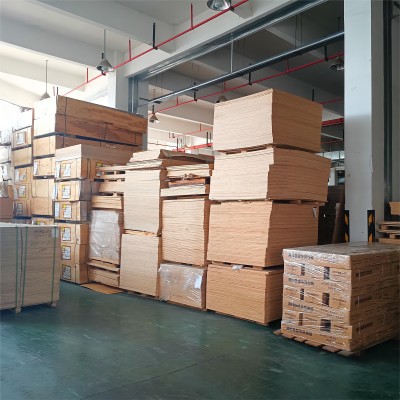
Greetings from the Awood Design Flooring factory, where we proudly boast a heritage spanning over two decades of flooring manufacturing expertise. We have consistently dedicated ourselves to the intricate art of crafting, researching, and providing top-tier flooring solutions, all with an unwavering commitment to excellence. Our deep-rooted connection to hardwood flooring underscores our profound admiration for the innate beauty of wood, enabling us to seamlessly integrate the essence of nature into our designs.
Acknowledging the growing demand for resilient vinyl flooring, we expanded our horizons and entered the vinyl flooring market in 2015. Rapidly, we positioned ourselves as a prominent player in the realm of flooring design and manufacturing, earning a reputation for our innovative approaches and unwavering commitment to quality.


FAQ
What is engineered wood, and how does it differ from solid wood?
What are the advantages of using engineered wood planks over solid wood flooring?
How is the wear layer thickness of engineered wood planks determined?
Can engineered wood planks be refinished like solid wood?
What types of wood species are commonly used in engineered wood planks?
What are the different finishes available for engineered wood planks?
How does the installation process of engineered wood planks compare to solid wood?
Are engineered wood planks suitable for areas with high moisture levels, like bathrooms or kitchens?
How does the cost of engineered wood planks compare to solid wood?
What are the typical thickness options for engineered wood planks?
Can engineered wood planks be used in radiant heating systems?
What is the core material typically used in engineered wood planks?
Do engineered wood planks come with warranties, and if so, what do they cover?
What are the best practices for cleaning and maintaining engineered wood planks?
What role does acclimatization play in the installation of engineered wood planks?
Do engineered wood planks have any unique fire safety or soundproofing properties?
How do engineered wood planks contribute to sustainable and eco-friendly building practices?
What is engineered wood, and how does it differ from solid wood?
Engineered wood is a type of composite wood product made by layering a top or wear layer of real hardwood over several layers of high-quality plywood or fiberboard. It differs from solid wood, which is made from a single, solid piece of wood. Engineered wood is designed to combine the aesthetic beauty of real wood with increased stability and resistance to environmental changes, such as moisture and temperature fluctuations.
What are the advantages of using engineered wood planks over solid wood flooring?
There are several advantages to using engineered wood planks over solid wood flooring. Firstly, engineered wood is more resistant to moisture and temperature variations, making it suitable for installation in areas where solid wood might not be ideal, such as basements or over concrete slabs. Secondly, engineered wood can be more cost-effective, as it uses less of the expensive hardwood for the wear layer while still providing the same aesthetic appeal. Additionally, engineered wood is often more eco-friendly, as it makes efficient use of wood resources by using less hardwood for the same coverage. Finally, engineered wood is often easier to install, as it can be used in various installation methods, including floating, gluing, or nailing.
How is the wear layer thickness of engineered wood planks determined?
The wear layer thickness of engineered wood planks is determined during the manufacturing process. It typically ranges from 0.6mm to 6mm, depending on the product. A thicker wear layer provides more durability and the ability to refinish the floor multiple times, whereas a thinner wear layer is more suitable for areas with low foot traffic.
Can engineered wood planks be refinished like solid wood?
Whether engineered wood planks can be refinished like solid wood depends on the thickness of the wear layer. Thicker wear layers can be sanded and refinished multiple times, similar to solid wood. However, if the wear layer is too thin, it may not be suitable for refinishing, as sanding could damage the veneer. It's essential to check the manufacturer's recommendations for your specific engineered wood product.
What types of wood species are commonly used in engineered wood planks?
Common wood species used in engineered wood planks include oak, maple, hickory, cherry, walnut, and more. These species are chosen for their aesthetic appeal and durability. The choice of wood species can impact the color, grain pattern, and overall look of the engineered wood flooring, allowing customers to select the species that best suits their design preferences.
What are the different finishes available for engineered wood planks?
Engineered wood planks are available in various finishes to suit different aesthetic preferences and styles. These finishes include:
Smooth Finish: This is a clean, sleek, and polished surface that imparts a modern and refined look to your flooring.
Hand-Scraped Finish: This finish provides a rustic and textured appearance, simulating the look of traditional hand-crafted hardwood.
Wire-Brushed Finish: Wire brushing gives the wood a subtle texture, enhancing the wood grain's character while maintaining a relatively smooth feel.
Distressed Finish: The distressed finish intentionally introduces marks and wear, creating an aged, weathered appearance that can add a vintage charm to your space.
Matte, Semi-Gloss, or High-Gloss Finishes: These refer to the level of shine on the surface. Matte finishes have little to no shine, semi-gloss offers a moderate level of sheen, and high-gloss finishes provide a glossy, reflective appearance.
How does the installation process of engineered wood planks compare to solid wood?
The installation process for engineered wood planks is generally easier and more versatile than that of solid wood. Engineered wood can be installed through various methods, including floating, glue-down, or nail-down, depending on the subfloor type and manufacturer's recommendations. Solid wood, on the other hand, is typically nailed or stapled to a wooden subfloor, making it less adaptable to different installation conditions.
Are engineered wood planks suitable for areas with high moisture levels, like bathrooms or kitchens?
Engineered wood planks are more suitable for areas with high moisture levels, such as bathrooms and kitchens, compared to solid wood. The layered construction of engineered wood provides more stability and resistance to moisture-related issues like expansion and contraction. However, it's essential to follow the manufacturer's guidelines and ensure proper sealing to protect the wood from water damage.
How does the cost of engineered wood planks compare to solid wood?
Engineered wood planks are often more cost-effective than solid wood. This cost difference stems from the use of less expensive wood for the core layers and the ability to install engineered wood in various ways, reducing labor costs. Solid wood tends to be more expensive due to its solid composition and specific installation requirements. However, the exact cost difference can vary based on factors like wood species, finish, and brand.
What are the typical thickness options for engineered wood planks?
Engineered wood planks come in various thickness options, usually ranging from 3/8 inch to 3/4 inch (10mm to 19mm). The choice of thickness depends on factors like the intended use, installation method, and personal preferences.
Can engineered wood planks be used in radiant heating systems?
Yes, engineered wood planks can be used in conjunction with radiant heating systems. They are often compatible with both electric and hydronic radiant heating systems. However, it's essential to follow the manufacturer's recommendations and ensure that the flooring is installed correctly to accommodate the heat and prevent damage.
What is the core material typically used in engineered wood planks?
The core material in engineered wood planks is typically made from layers of plywood, high-density fiberboard (HDF), or oriented strand board (OSB). These core layers provide stability and strength to the flooring while the top layer is a hardwood veneer.
Do engineered wood planks come with warranties, and if so, what do they cover?
Many manufacturers offer warranties for their engineered wood planks. Warranty coverage can vary but often includes defects in material and workmanship. Some warranties may also cover issues related to wear, finish, or structural integrity for a specified period. It's crucial to carefully read and understand the warranty terms provided by the manufacturer to know what is covered and any maintenance or installation requirements necessary to maintain warranty validity.
What are the best practices for cleaning and maintaining engineered wood planks?
Maintaining engineered wood planks is essential to ensure their long-lasting beauty and functionality. Regular sweeping or vacuuming is crucial to prevent dirt and debris from scratching the surface. Use a slightly damp mop with a pH-neutral hardwood floor cleaner to clean the floors, avoiding excessive moisture. Employ felt protectors under furniture legs to prevent scratches and protect the surface.
Engineered wood planks can be used in DIY installations, but professional installation is often recommended, especially if you lack experience. Professionals ensure proper subfloor preparation, acclimatization, and precise installation, reducing the risk of issues like buckling or gaps. However, DIY installation is possible with the right tools, knowledge, and careful attention to manufacturer guidelines.
What role does acclimatization play in the installation of engineered wood planks?
Acclimatization is crucial when installing engineered wood planks. It allows the wood to adapt to the temperature and humidity of the installation environment, reducing the risk of expansion or contraction after installation. Typically, the planks should be stored in the installation area for several days to acclimate. Follow manufacturer recommendations for acclimatization times.
Do engineered wood planks have any unique fire safety or soundproofing properties?
Engineered wood planks generally have better fire safety properties than solid wood due to their layered construction. The engineered structure can provide additional resistance to fire. However, it's essential to check for specific fire ratings or regulations in your area. In terms of soundproofing, engineered wood can reduce noise transmission compared to solid wood, but it's not as effective as dedicated soundproofing materials or underlays.
How do engineered wood planks contribute to sustainable and eco-friendly building practices?
Engineered wood planks contribute to sustainable and eco-friendly building practices in several ways. They often use less hardwood than solid wood flooring, making more efficient use of natural resources. Additionally, they can be made from reclaimed or rapidly renewable wood sources, reducing environmental impact. Engineered wood also tends to have lower formaldehyde emissions due to improved manufacturing processes, promoting indoor air quality. Finally, its durability and longevity can reduce the need for replacement, further reducing environmental impact. It's important to look for certifications like FSC (Forest Stewardship Council) to ensure the wood is sourced responsibly.
Hot Tags: flooring engineered hardwood, China flooring engineered hardwood suppliers, manufacturers, factory, pre engineered hardwood, plank engineered hardwood, herringbone hardwood flooring, engineered wood plank flooring, chevron flooring, engineering wood flooring
Previous
Engineered Hardwood SPC FloorSend Inquiry


